Booking choice: The twilight volcano and stargazing tour, from $309 per person. Check dates Compare the options below
The eruption that began on 23 December 2024 comes in bursts. Lava fountains for hours, then the crater goes quiet for days or weeks. A visit lands on either side of that rhythm, and the guides below explain how to improve the odds.
Status words in this guide are dated. As of the 18 November 2026 update, the USGS Hawaiian Volcano Observatory update listed the alert level as Advisory and the eruption as paused, so check that page before you plan. For the park fee see the entrance fee guide.
The quick answer
As of the 18 November 2026 update, USGS counted 56 episodes since December 2024, with the latest on 5 November 2026 and another likely. Watch from the caldera rim overlooks at dusk and after dark, check the live cameras first, and treat the twilight tour as a way to be there, not a lava promise.
Is Kilauea erupting right now?
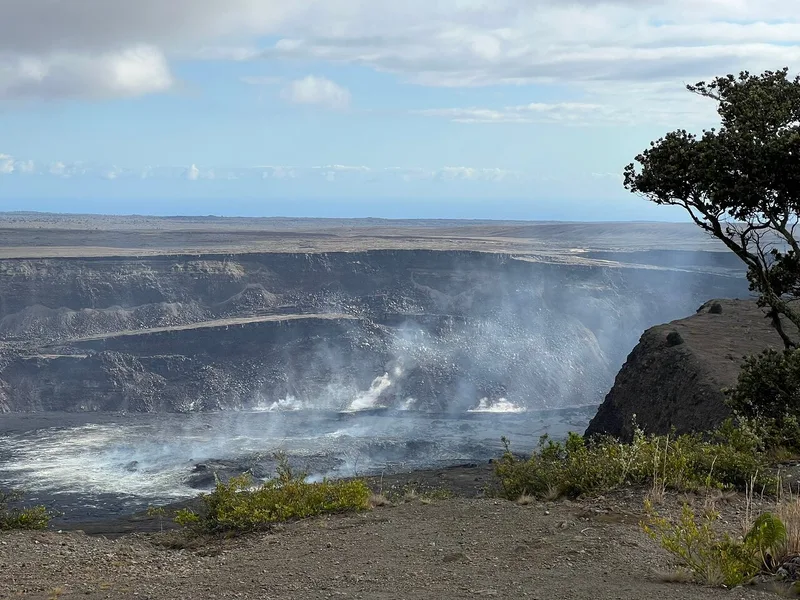
It erupts in episodes. As of the 18 November 2026 update, fountaining was paused after episode 56 on 5 November 2026, and USGS said another episode was likely in a forecast window of 20 to 23 November.
The USGS Hawaiian Volcano Observatory update is the source to check on the day. USGS lowered the alert level to Advisory and the aviation code to Yellow, and says a lower level is not an all-clear or a park reopening. A forecast window is not a schedule: earlier windows shifted several times. NPS wrote in October 2026 that forecasting is not possible and that activity can change quickly, per the NPS November 2026 events release.
Gaps between episodes ran from 9 to 19 days in recent months, with one gap of 53 days between episodes 54 and 55. Plan the trip, not the fountain.
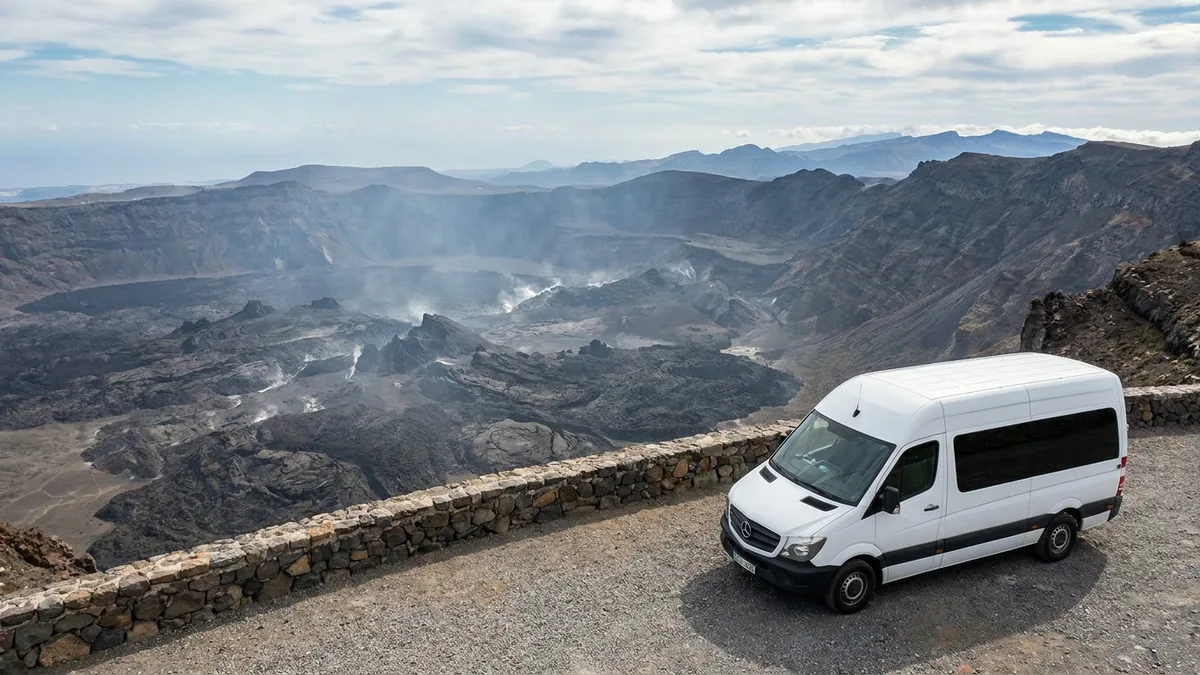
A 12 hour day that ends in the park after dark, with dinner, a jacket and stargazing near Mauna Kea.
Explore the twilight volcano and stargazing tourWhere can you see the lava at Hawaii Volcanoes National Park?
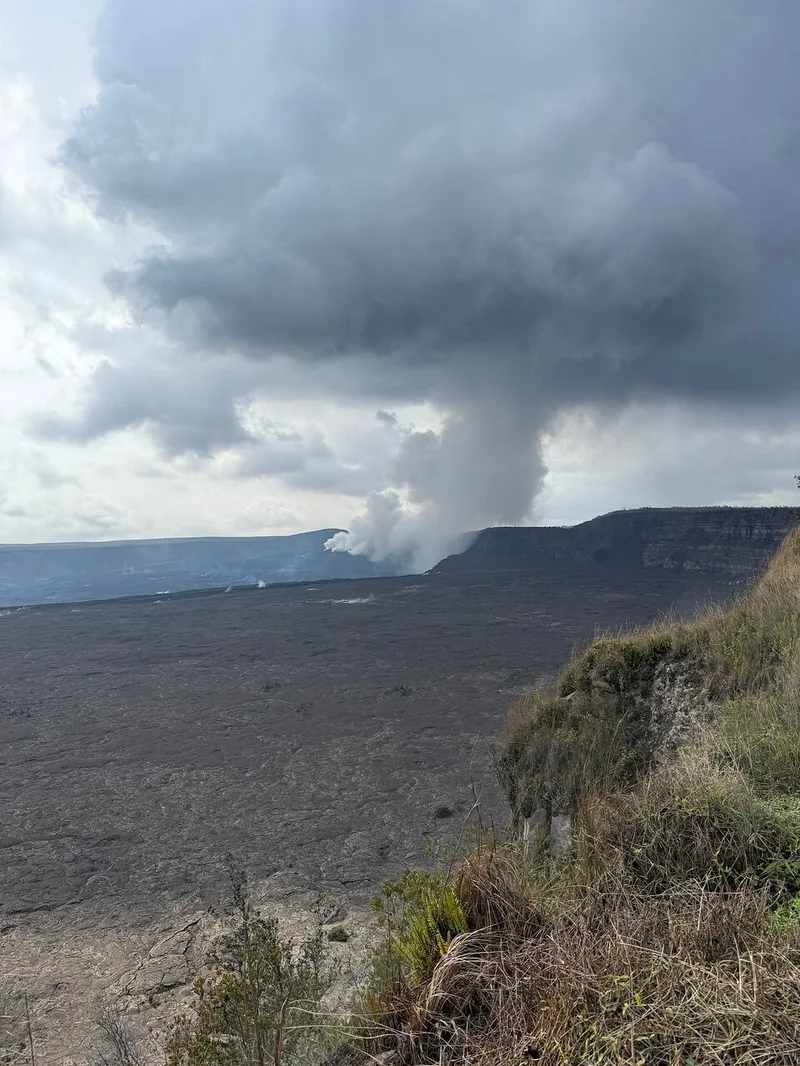
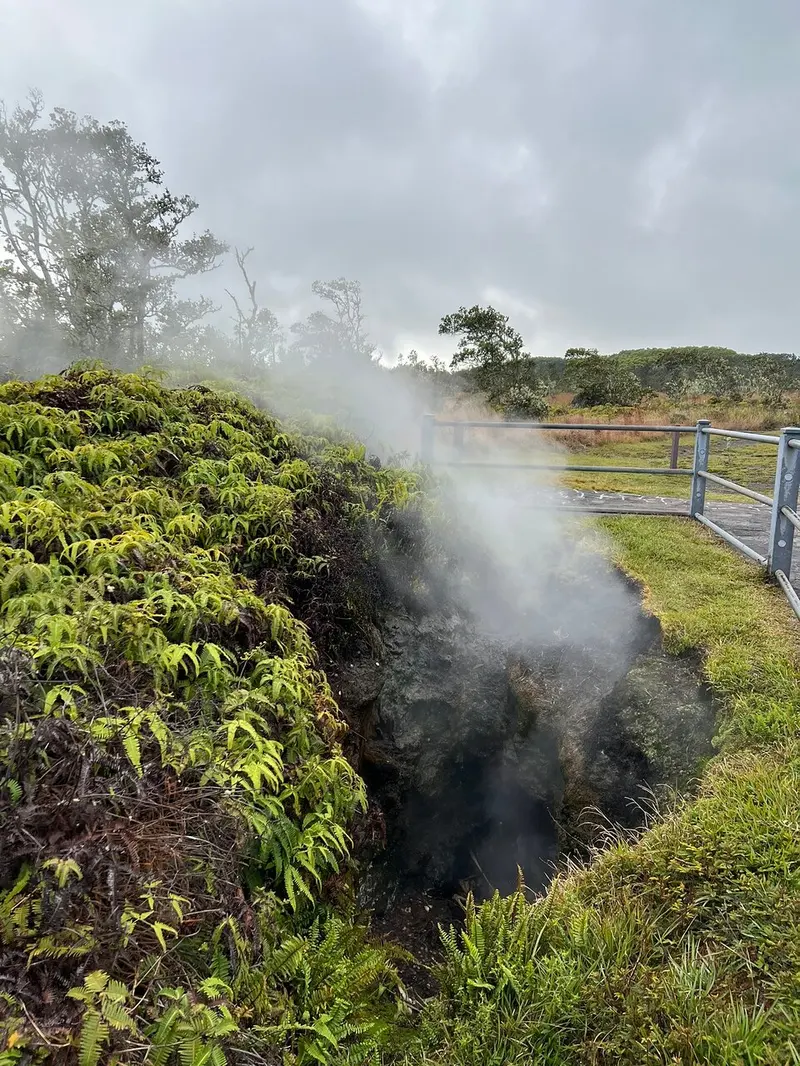
From the overlooks on the caldera rim. NPS names Uekahuna, Kilauea Overlook at the Steam Vents, Kupinai Pali and Keanakakoi on its map, per the NPS eruption viewing page.
The vents sit in Halemaumau crater, inside an area the park keeps closed because of gas, unstable cliffs and falling tephra. Lava flows stay on the crater floor, so the viewing is from a distance. Which overlooks are open changes with conditions: parts of Crater Rim Drive stay closed, and the park's alerts page shows the day's list.
The Welcome Center, Kilauea Overlook and Uekahuna usually have more parking and are reached via Crater Rim Drive West, per NPS. Large vehicles over 25 feet cannot reach Uekahuna during repairs, per the NPS construction page.
A 12 hour day that ends in the park after dark, with dinner, a jacket and stargazing.
Check dates for the twilight volcano and stargazing tourCan you get close to the lava?
No. The eruption area is closed to the public, and the crater rim has been closed since 2008.
The USGS Hawaiian Volcano Observatory update says the rim of Halemaumau has been closed since early 2008, and NPS marks the closed areas with rope lines and hazard signs. Hazards include volcanic gas, cliff edges, ground cracks and tephra, the glassy fragments that fall near the vents.
No guided tour in this list takes you into the closed zone. A helicopter flies over it, and a van takes you to the same overlooks anyone can use.
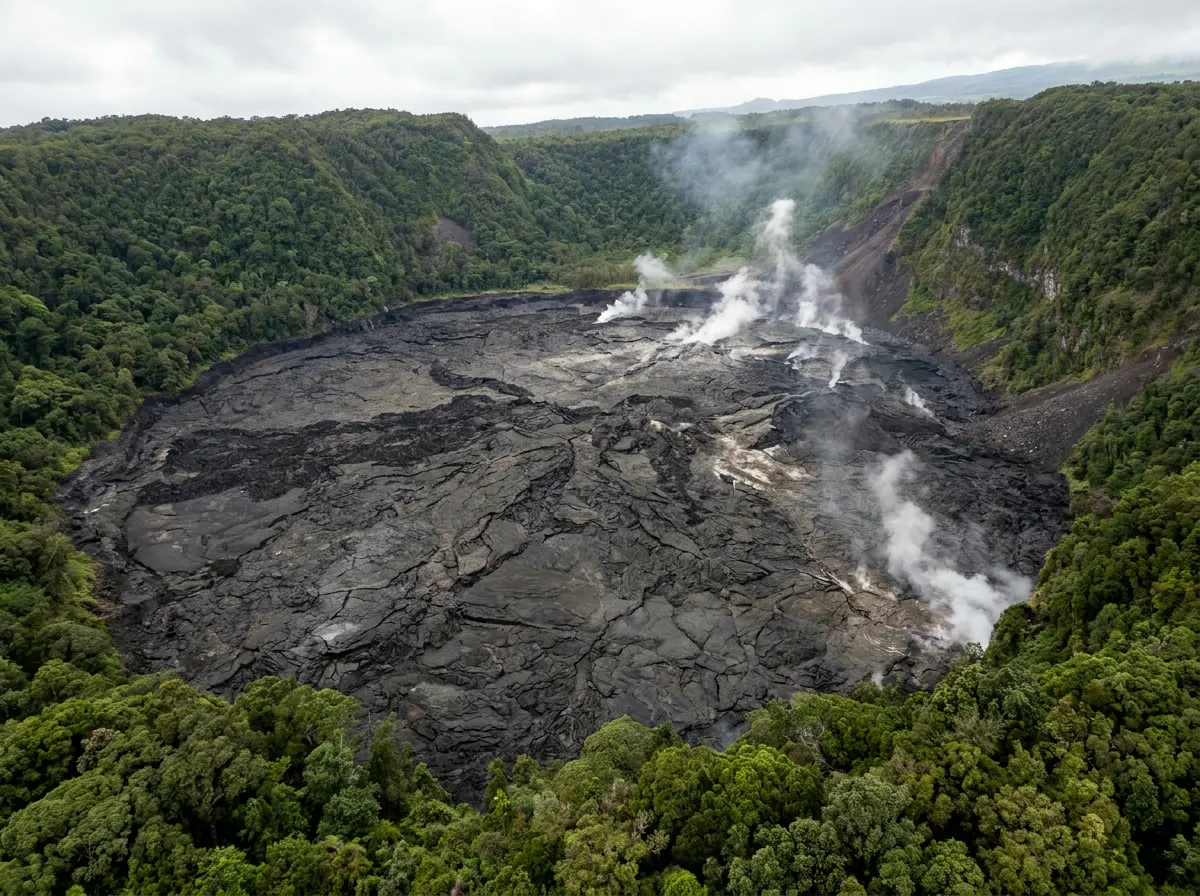
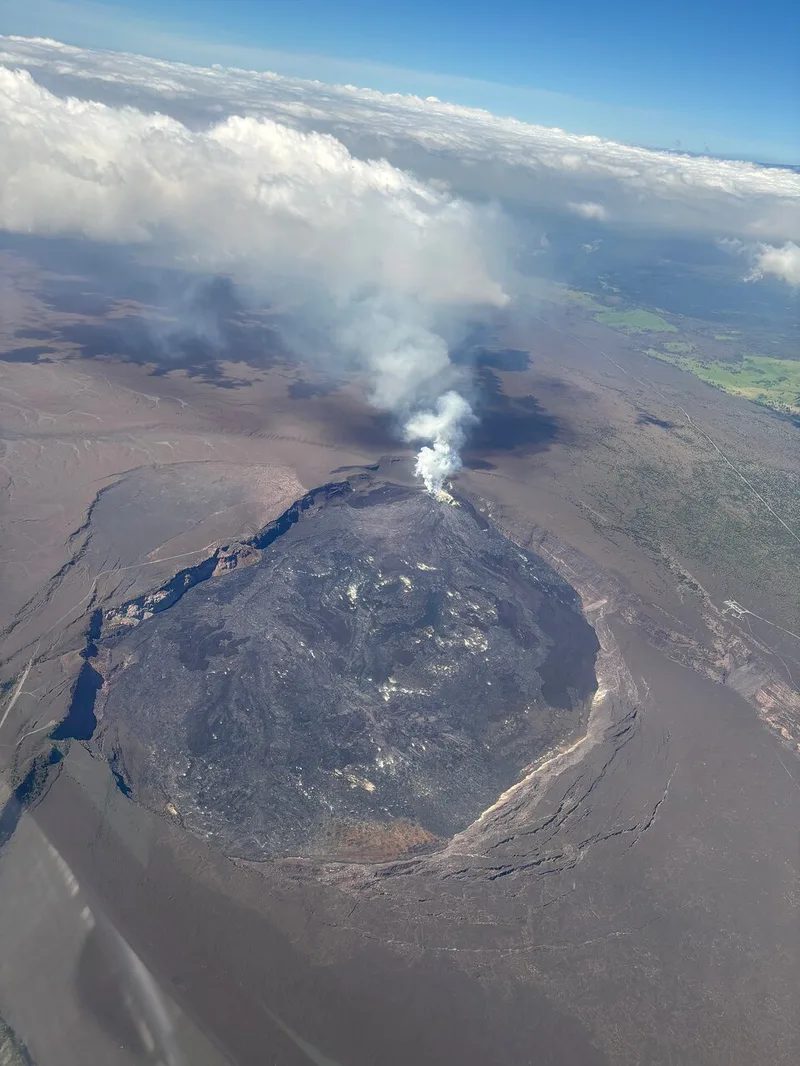
A 55 minute flight over the crater and lava fields, with fees and taxes listed as included.
Explore the Volcanic Safari helicopter flightWhen is the best time of day to watch the eruption?
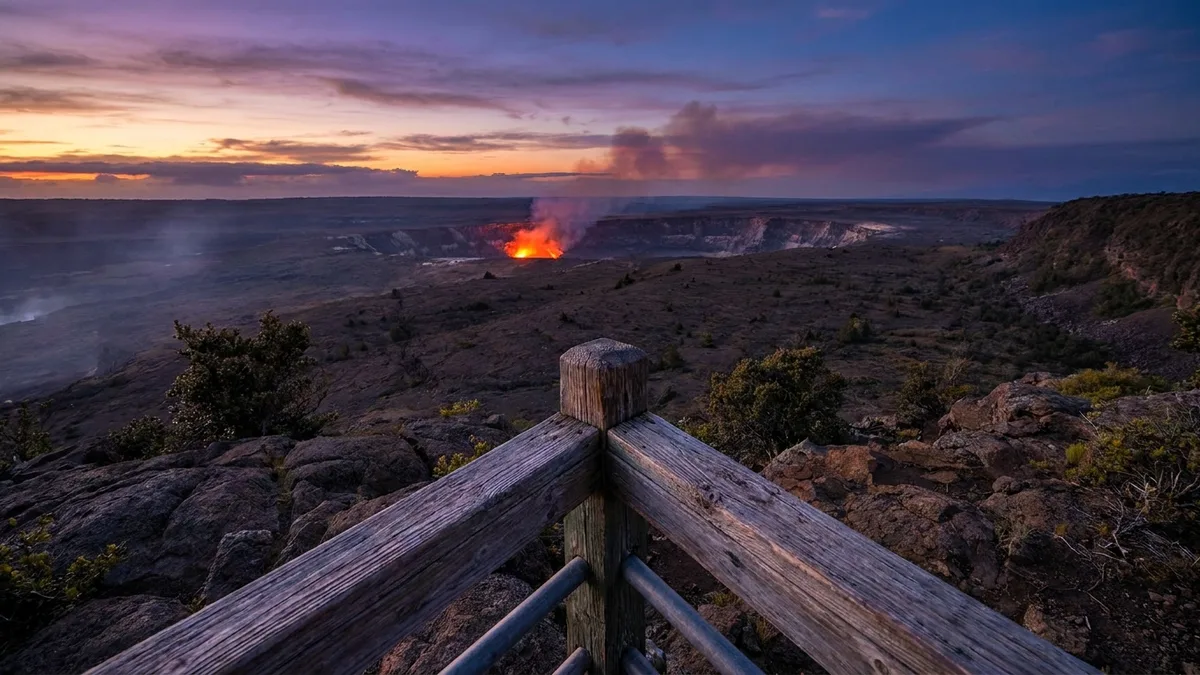
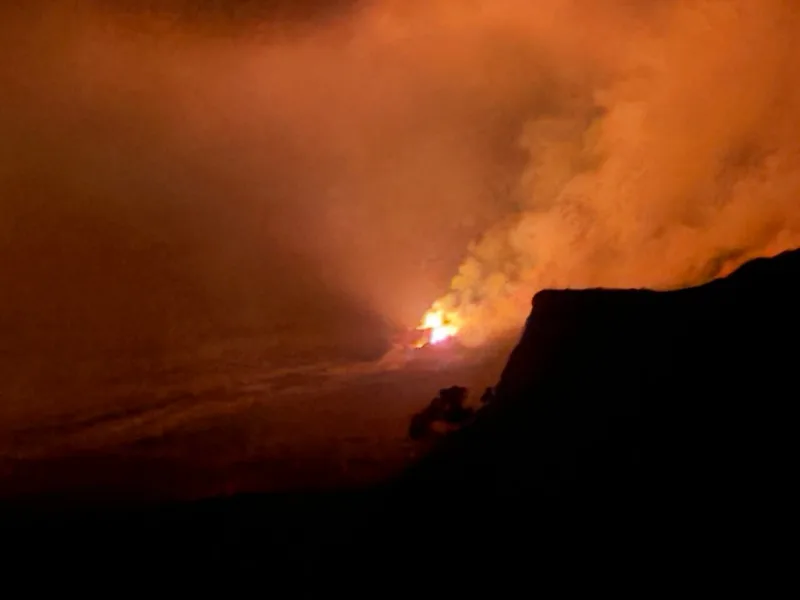
After dark. NPS says the activity is most visible at night, and during a pause only a faint glow from earlier lava may remain.
The fountains read as orange against the dark, and the park advises a headlamp for night visits. The park is open 24 hours a day, per the NPS hours page. In the evening the roads and overlooks are busy during an episode, and NPS notes that parking fills, sometimes by 10 am, per the NPS eruption viewing page.
One guest on the twilight tour went back to the park after dark and saw the glow. Another guest on a Hilo evening tour wrote that rain did not spoil the view of the crater at night, but did not mention lava.
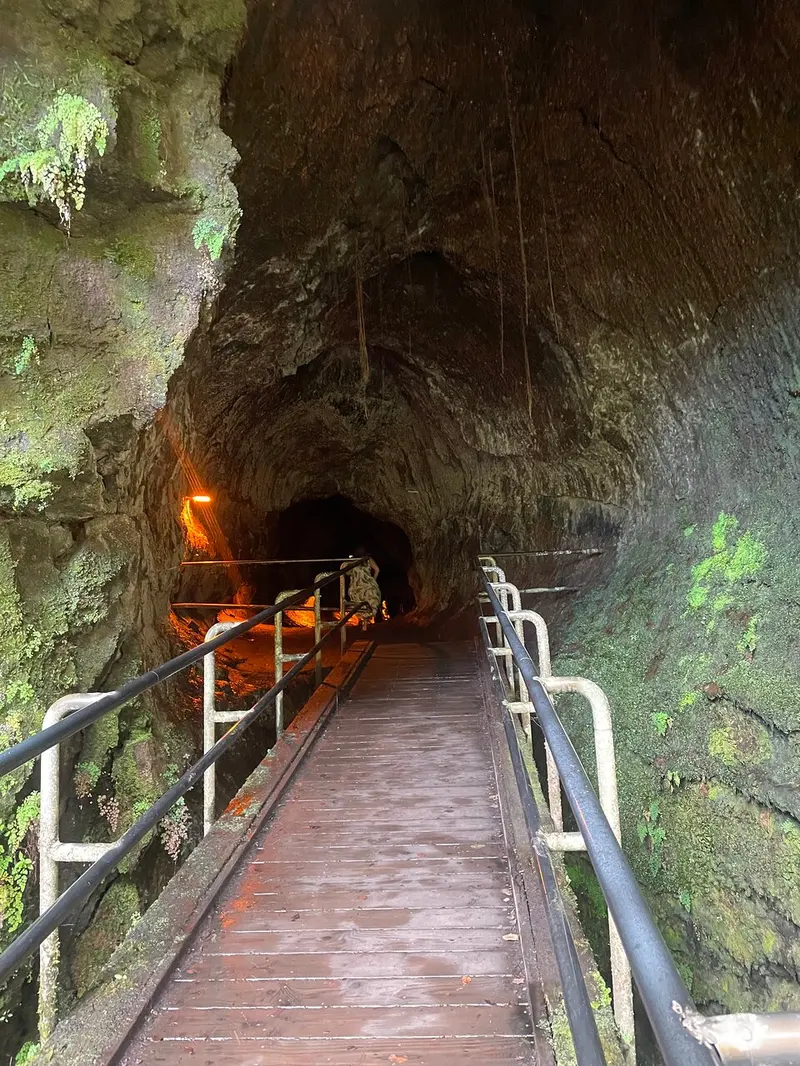
A 6 hour evening tour that starts in Hilo and returns to the park after dark.
Check dates for the evening volcano explorer from HiloHow do you check whether lava is visible before you go?
Open the USGS Kilauea webcams or the USGS live stream, and read the daily update. Cameras run all day and night.
USGS runs cameras on the west, east and south sides of Halemaumau, a thermal camera, a panorama and a view of the caldera from the Uekahuna bluff. The thermal camera sees through gas better than the others. Cloud and rain block the view, and at night a normal camera shows little without light.
The NPS eruption page also links the park's daily update. Look at it at midday and again before you leave for the rim. If you booked a tour, the operator will decide the route based on the same information.
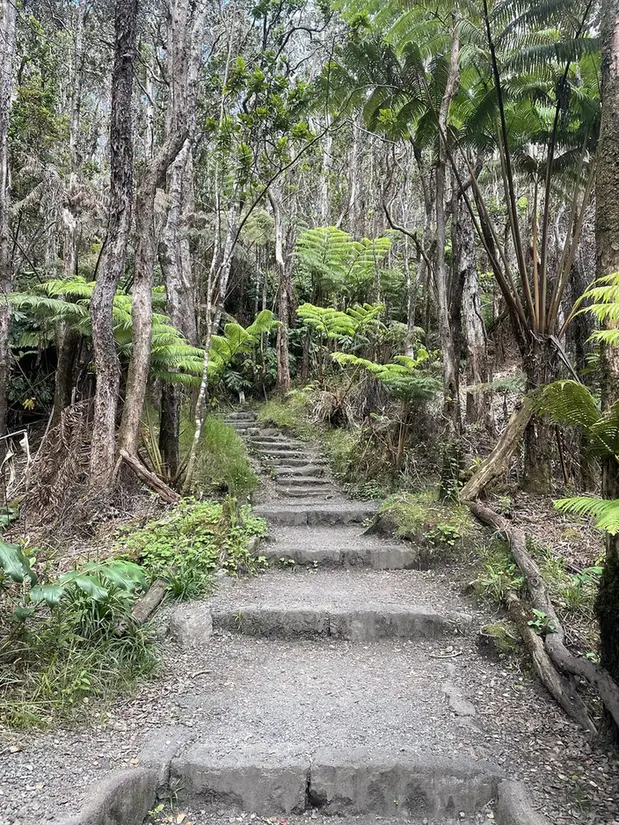
What can a tour promise about the eruption, and what can it not?
A tour promises transport, a guide and timing. It cannot promise lava, and the listings do not.
Guests tell both stories. One on the budget day saw lava at two stops in the park despite rain. A Hilo guest said the vent happened to go active on their tour day, with no lava the day before or after. A helicopter guest saw lava fields and waterfalls and no volcano activity, and a geology tour guest saw the after-effects the day after an eruption.
Book for the day, the drive and the commentary. If the fountain shows, that is a bonus. The rim viewing needs no ticket beyond the park entry, so a tour is for convenience, not access.
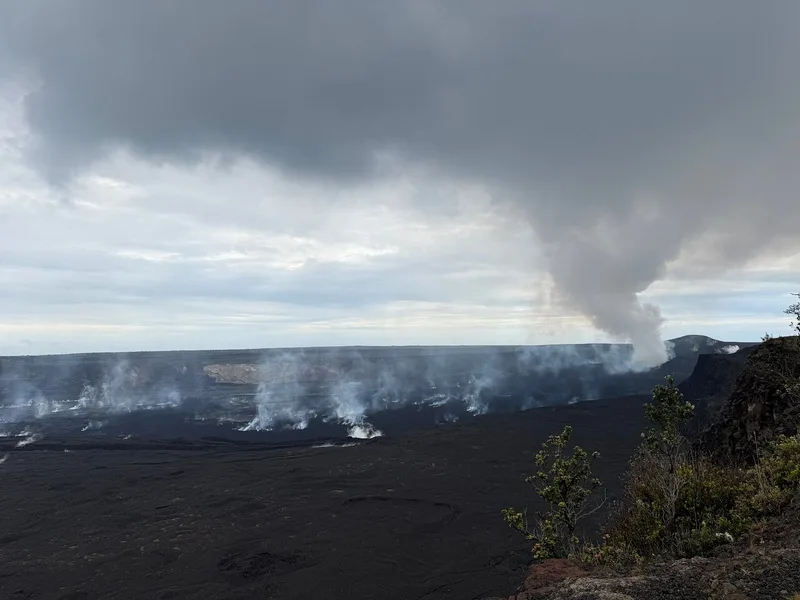
The lowest fare here for a guided volcano day, with park admission and Kona pickup included.
Check dates for the park-admission-included volcano day from KonaWhat should you bring to watch an eruption?
A headlamp, warm layers, a rain jacket, sturdy shoes and eye protection. NPS also lists a dust mask for falling tephra.
The summit sits near 4,000 feet and runs 12 to 15 degrees cooler than the coast, per the NPS weather page. A dust mask blocks tephra, not gas. Sensitive groups, including people with heart or lung conditions, pregnant visitors and young children, should check the air quality, because gas can reach hazardous levels downwind of the vents, per the NPS conditions page.
Trade winds carry gas southwest, and southerly winds can bring vog and tephra over the summit, per the USGS Hawaiian Volcano Observatory update. For the full packing list see the entrance fee and packing guide.
Frequently asked questions
Is Kilauea erupting right now?
It erupts in episodes with pauses. As of the 18 November 2026 USGS update the eruption was paused after episode 56, with another episode likely. Check the USGS update on the day.
Where can you watch the Kilauea eruption?
From overlooks on the caldera rim, including Uekahuna and Kilauea Overlook at the Steam Vents. The eruption area itself is closed.
Can you see Kilauea lava at night?
Yes during an episode, and a faint glow may remain during a pause. NPS says the activity is most visible at night.
Do you need a tour to see the eruption?
No. The rim overlooks need no ticket beyond the park entry. A tour adds driving, a guide and timing, and cannot promise lava.
Ready to book
Choose your Kilauea volcano tour
Every option here can be cancelled for a full refund; the deadline is on each listing. Prices are from-prices in USD and move with the season.
Small Group Twilight Volcano and Stargazing Tour
- Small-group tour led by a professional guide
- Hotel pickup and drop-off on the Kona and Kohala coast
- Picnic lunch and a restaurant dinner
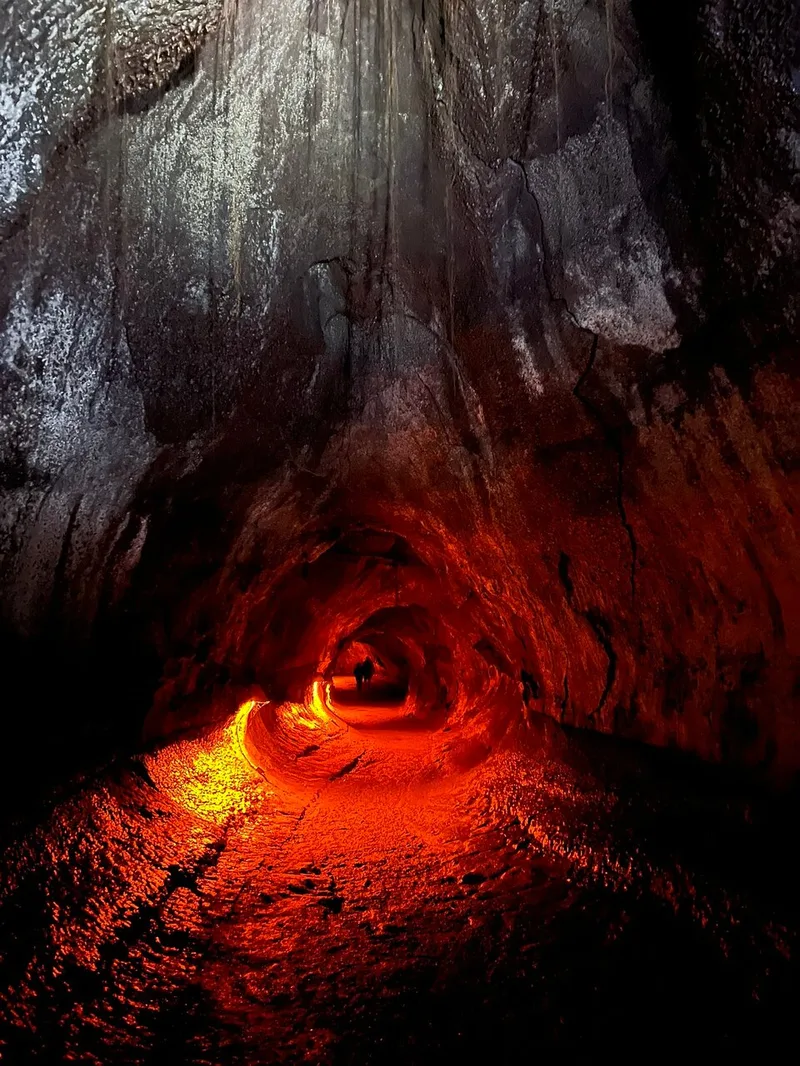
Evening Volcano Explorer from Hilo
A 6-hour evening trip from Hilo for the after-dark crater view, listed with dinner and beverages. One reviewer says the winery dinner no longer runs, so ask the operator
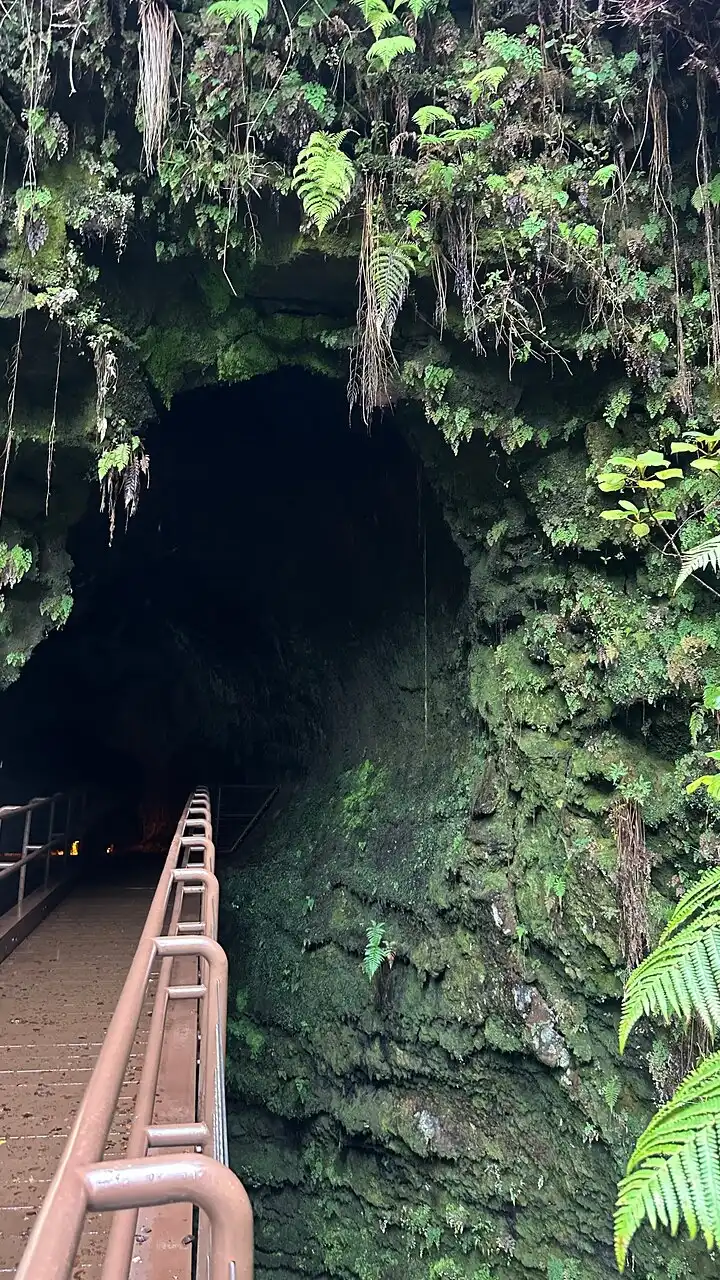
Hawaii Volcanoes National Park Experience
- Air-conditioned vehicle
- Hawaii Volcanoes National Park admission
- Pickup and drop-off from Kona